עב
/
EN
 תיאום פגישה
תיאום פגישה
תיאום פגישה
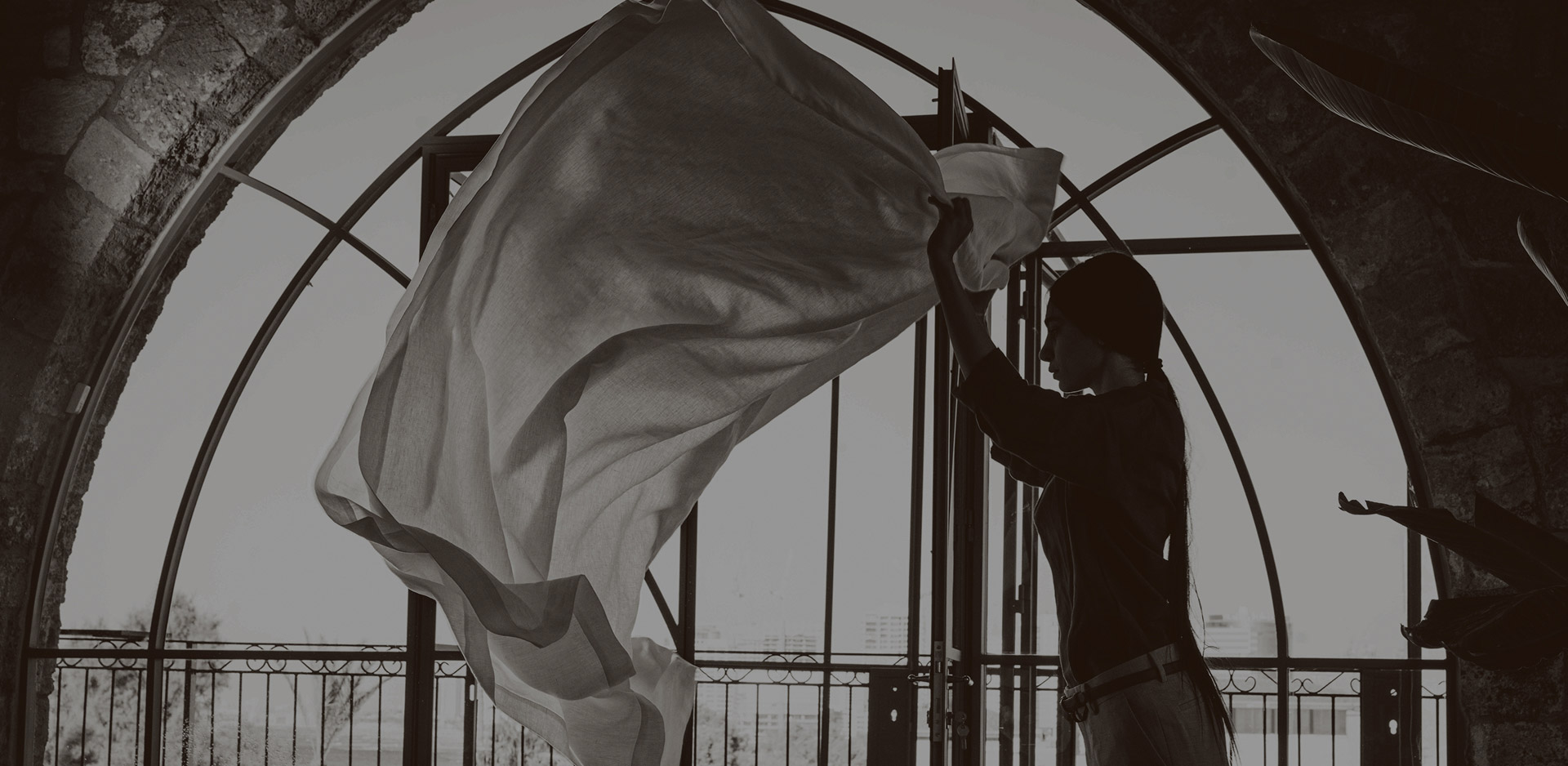
The first British Consulate was established in 1847 in Jaffa, housed in a three story stone and arch building that rose majestically over a hill on HaZorfim Street in the Old City. For two decades, it regularly hosted diplomatic gatherings, grand balls, and lavish banquets for world dignitaries and the nobility of the era. In late 2024, nearly 180 years later, Consul House opens its doors, breathing new life into this magnificent building and restoring it to its historical purpose: a grand hall hosting elegant celebrations, glittering parties, and champagne filled festivities between its storied walls.
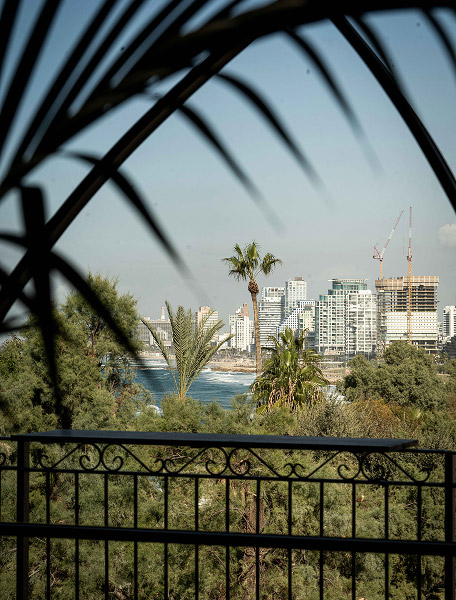
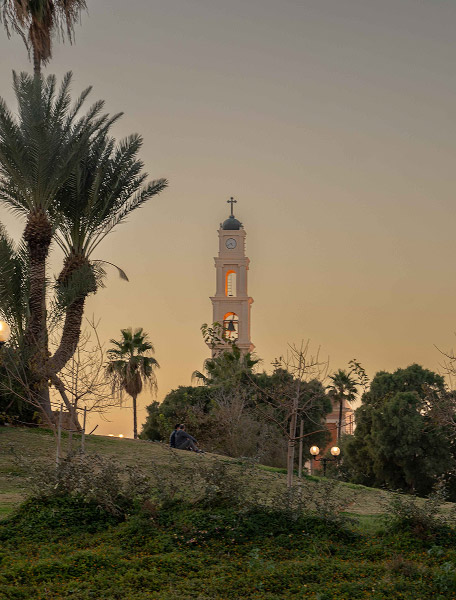
Consul House is located at 15 HaZorfim Street in Jaffa, a vantage point overlooking the entire city. It is a meeting point between then and now, between Jaffa and Tel Aviv, between Israel and the wider world, between a storied past and an extraordinary future ahead. At the foot of the building stands the historic Chelouche Gallery, which relocated here in late 2022 and has since become a cultural cornerstone for art lovers in the city. Consul House occupies the top two floors of the building. From its rooftop, a sweeping panoramic view stretches to every horizon, encompassing the bustling Jaffa Flea Market, the picturesque alleyways and authentic structures of the Old City on one side, and extending along the Tel Aviv skyline, past the coastline, all the way to the Port of Jaffa.


In 1847, Queen Victoria appointed Asad Ya'akov Hait, physician, merchant, and great man of the world, as the first British Consul in Jaffa. Hait was a colorful, captivating, and widely admired figure who was born and raised in Beirut into an Orthodox Christian family. He rose rapidly through the social ranks, weaving an extensive network of connections across Europe and crafting ambitious plans to unite East and West.
Hait possessed a phenomenal gift for languages and a keen instinct for identifying opportunities. As a child he studied Greek, and in his youth he encountered American missionaries who had arrived in Lebanon and taught him English. From an early age he revealed himself as a sharp trader and became a currency exchanger. As he mingled in ports with merchants from around the world, he acquired their languages. He also became fluent in French, Turkish, Italian, and Persian.
In 1830, when John William Farren was appointed British Consul in Damascus, the nineteen year old Hait was chosen to serve as his interpreter and dragoman. At that time he also adopted Western dress and, remarkably for the period, permitted his wife Martha to do the same. Six years later, he made his first visit to London as part of an escort to a delegation of Persian princes. Over the course of roughly six months, he mingled with members of the British royal family and the aristocracy, and on his return journey eastward he traveled between European capitals and met with their leaders. The trip left a profound impression on him.
He was captivated by the spirit of freedom in London, where, in his own words, "any man can go wherever he wishes and do as he pleases, provided he does not disturb the public peace," and Hait began to envision improving the healthcare system in his homeland.
In 1843, at the age of 32, Hait returned to London to study medicine. In June 1846 he was admitted as a Member of the Royal College of Surgeons and received British citizenship. A year later, Queen Victoria appointed him the first British Consul in Jaffa.
During the two decades he held the position, Hait made it his personal mission to bridge the gap between East and West and to advance cultural symbiosis alongside vital commercial and agricultural ties. He imported cotton seeds and vine varieties to the region, promoted the local cultivation of potatoes, and conceived a far reaching plan to build a land route connecting the Mediterranean Sea to the Red Sea, with the Port of Jaffa as its starting point. He even proposed laying a railway line between Jaffa and Suez.
Hait passed away on November 19, 1865, and his sons inherited his role. Six months after his death, Sir Moses Montefiore visited Jaffa and lodged at the Consul's house during his stay.